76 min.
 2025/2026
 Lietuvių, anglų, azerbaidžaniečių kalbos
 Lietuviški subtitrai
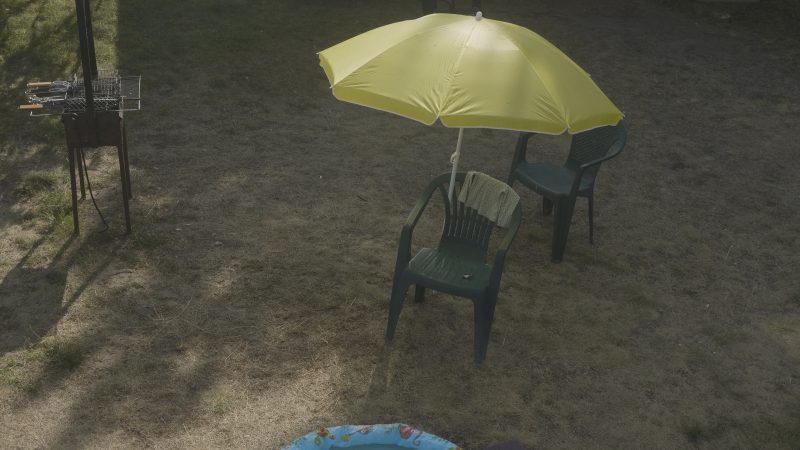
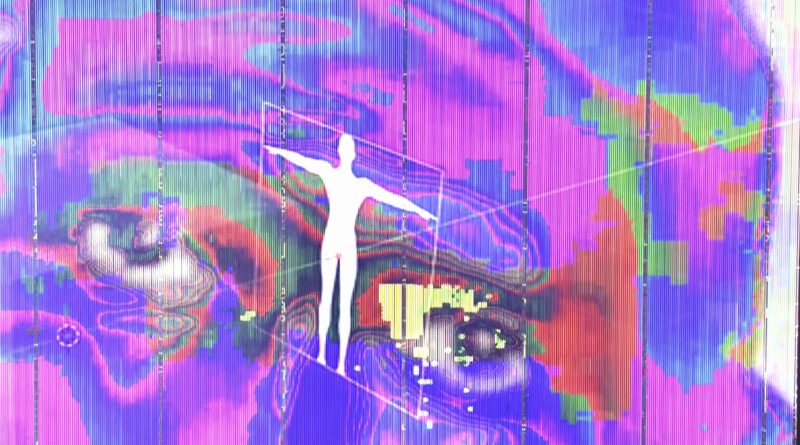
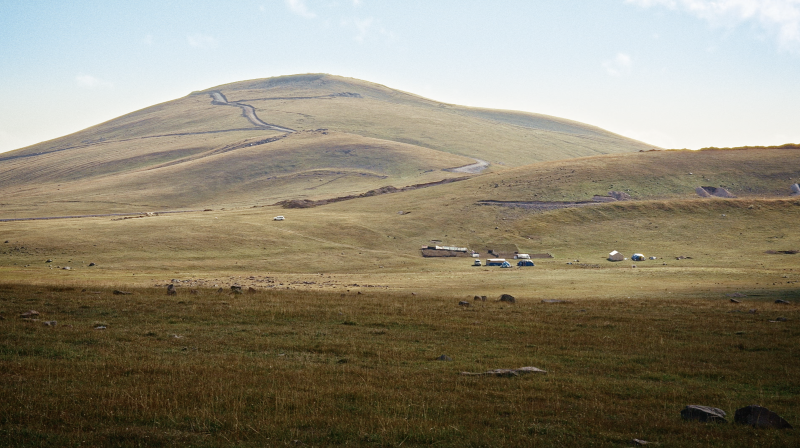
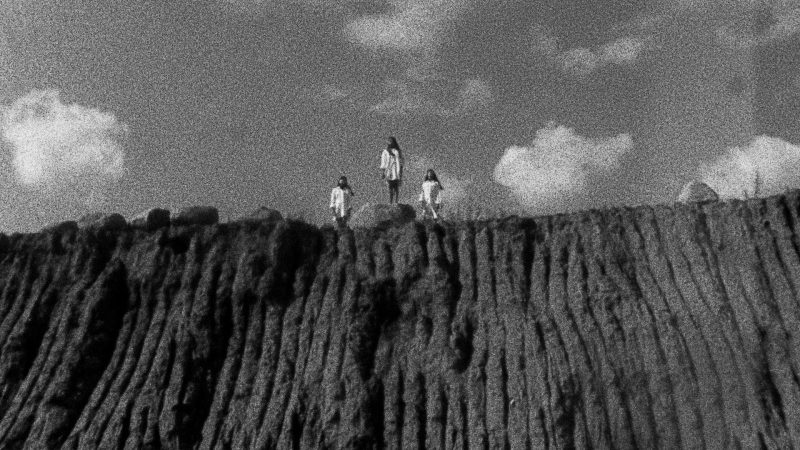
The filmmakers featured in the Lithuanian short film programme explore and push the boundaries of the documentary form: the films navigate between personal narratives and cultural history, the documentation of reality and imagination, the observing camera and the video game aesthetics. In “Preila Project” by artists Ignė Narbutaitė and Ieva Kotryna Ski, childhood memories, archival material, and the detective story surrounding the search for the Amber Room serve as a starting point for a playful reconsideration of community ties and myth-making. Azerbaijani artist Malak Bayramli also turns to her own history in her graduation project at the Vilnius Academy of Arts, “Road Comes into View (Nomads Memory)”: by observing the Azerbaijani landscape and drawing on oral narratives and songs, she connects herself to her inherited nomadic identity. Rusnė Gocentaitė’s “The Game”, created in collaboration with the Pasteur Institute in Paris, transposes the experience of migration into the digital realm. Here, video game rules and movement along the Balkan Corridor – one of the main migration routes to the European Union – begin to mirror one another. Viviana Almas, who lives and works in the United Kingdom, invites viewers on a journey through a post-apocalyptic landscape and a search for a vanished past and culture in her work “Whenever I Go There” filmed with an analogue camera. In artist Paulius Šliaupa’s “Undercurrents”, movement and myths also become material for the film: the camera, gliding over Hanoi, transforms fragments of everyday life into a sensory, fairy-tale-like story about the relationship between humans and nature in a city in flux. The works presented in the programme also blur the line between cinemas and galleries: some were created as video installations and adapted for the big screen; others are intended for the cinema but retain a structure that allows them to be exhibited in a gallery. This permeability of boundaries is also evident in the creators’ own experiences: they seek out themes while travelling, go abroad to study and create, or come to Lithuania, and in their films, personal stories and memories become a way to connect with other places and cultures.