77 min.
 2026
 N-13
 English, Arabic, Spanish, Farsi languages
 Lithuanian, english subtitles
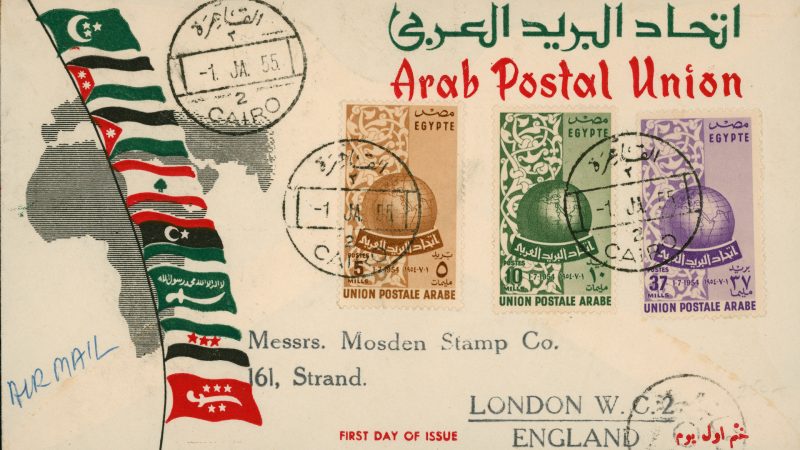
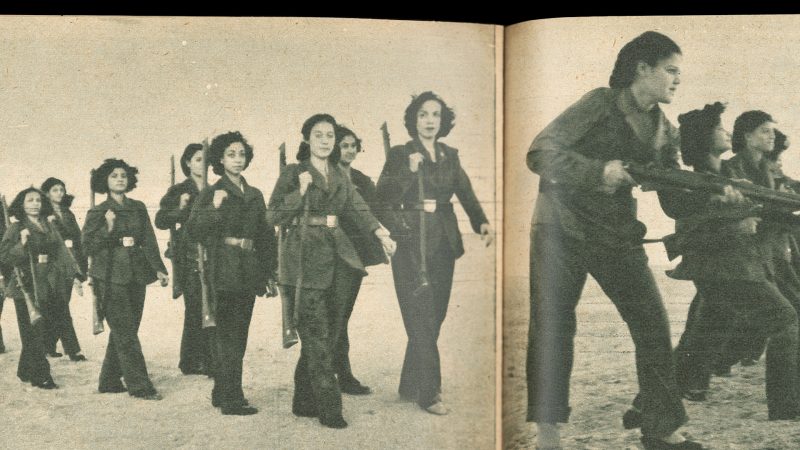
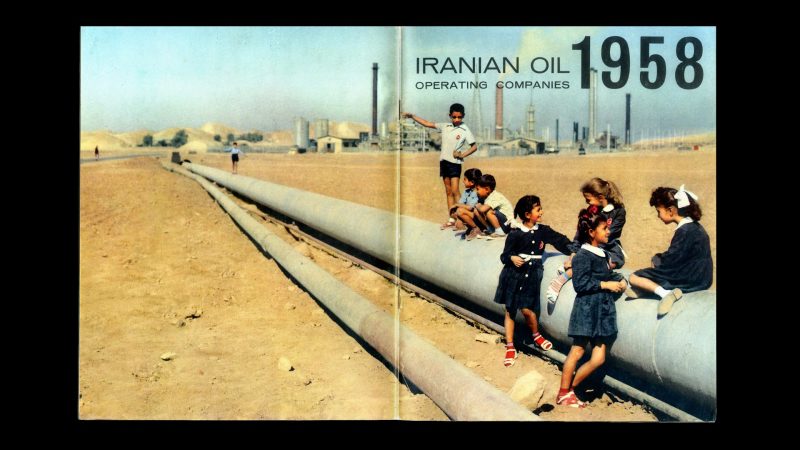
What would we learn if we took a much broader look at the history of oil? Could oil have been not only a resource fought over, but also a means of building a better world? The film takes as its starting point a vinyl record released in the 1980s, featuring folk songs from members of the Organization of Petroleum Exporting Countries. Iran, Iraq, Kuwait, Saudi Arabia, and Venezuela joined forces to strengthen the position of oil-producing nations in the global oil market and to resist Western companies that controlled trade. The film’s director pieces together a collage of archival footage, television recordings, magazines, newspapers, postage stamps, envelopes, photographs, and political documents, and asks: What happened to this dream? It is an attempt to piece together history from dates, objects, and fragments, while recognising that it’s never possible to have the complete picture – the calendar.
“Oil is typically regarded as one of the main tools for upholding neoliberal structures, but the film reveals the potential within this resource’s history to have a positive impact as a means of solidarity, autonomy, and political and economic resistance. The film combines meticulous academic and historical research, articulating a pan-Arab perspective, with artefacts of visual culture. In the wake of the recent US invasion of Venezuela and the US-Israeli war against Iran, the film serves as yet another reminder that the interventionist policies of the West (the US) are not isolated incidents, but rather a consistent strategy aimed at appropriating the resources of other countries.” – programmer/coordinator Justina Jaruševičiūtė
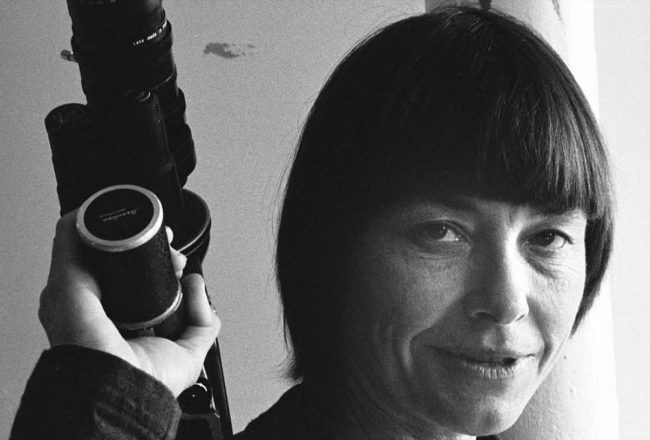
Sanaz Sohrabi (1988, Iran) is an artist, filmmaker, essayist and Assistant Professor in the Department of Communication and Media Studies at Concordia University, Montréal. Her work investigates the impermanence and malleability of historical records and narratives.