82 min.
 2026
 no dialogue
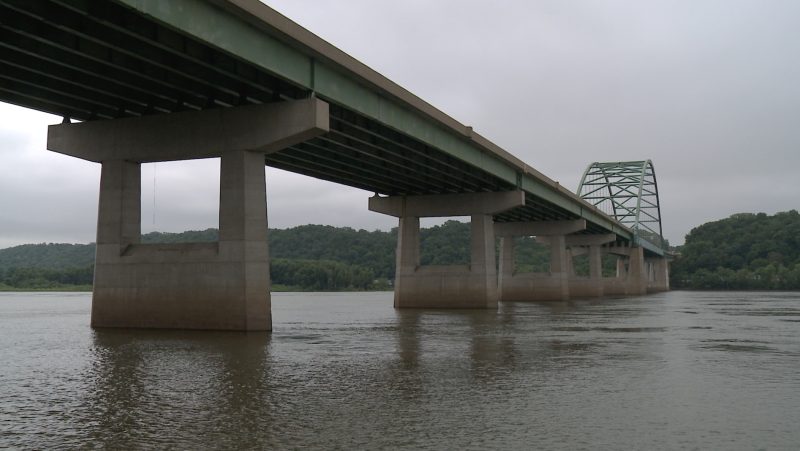
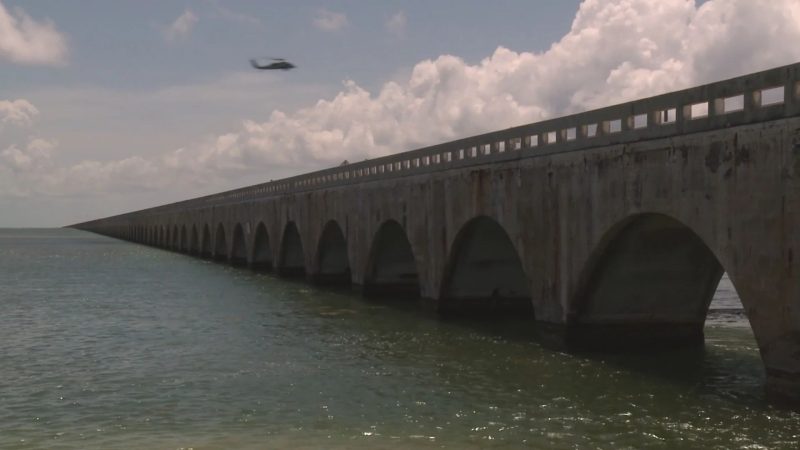
Eight ten-minute shots show bridges across the United States, from the iconic Golden Gate Bridge to the historic Edmund Pettus Bridge in Alabama. At first glance, little seems to happen: cars, boats and trains pass through the frame; clouds drift by; water flows. Yet through his precise composition of image and sound, Benning gradually reveals more and more layers in each scene. The bridges become points where the American landscape, its history and its present meet. The long takes give us time not only to see them closely but also to experience them. The film continues Benning’s established structural approach, seen in works such as 13 Lakes and 20 Cigarettes, where a fixed number of shots becomes a way to observe the world attentively and draw out what usually goes unnoticed.
“By moving away from conventional filmmaking, the film also abandons the most effective means of engagement – narrative and identification – and as a result, this kind of cinema can pose a challenge to the viewer. Paradoxically, even the characteristically Benningian stillness of the film’s space and time does not eliminate the habit of filling the screen with a restless anticipation of change, of even the faintest hint of narrative – and this is precisely how attention finds its unusual object: lorries moving across a bridge, a train or boat that might appear, a gust of wind. In “Eight Bridges”, Benning presents shots of bridges whose selection is not accidental – in the context of the film, bridges not only connect two banks, but also establish a critical relationship with US history, economic and social practices, and cinema. The Edmund Pettus Bridge bears witness to police violence against Black civil rights activists in 1965, while the RR Highland Bridge references Benning’s own film “RR” (in which trains arrive!). These are just a few of the possible meanings generated and contained by these bridges and the surrounding landscape. In a sense, the viewer is always the decisive participant in the film, filling the screen with their own content, navigating among all the possible readings it opens up: ecological, aesthetic, anti-capitalist, and so on.” – programmer/coordinator Justina Jaruševičiūtė
James Benning has played a central role in the history of American independent cinema. His rigorously structured yet graceful films offer extended meditations on the American landscape and its social and environmental histories.